Minnesota Mutual Aid Directory
Don't stop being Minnesota nice. Get Minnesota Mad.
Minnesota Mutual Aid Directory
Don't stop being Minnesota nice. Get Minnesota Mad.
Reading is one of the oldest survival technologies we have. It sharpens our ability to recognize patterns, question authority, and imagine alternatives when the current system insists there are none. In moments of political instability and social strain, reading helps us slow down, deepen our understanding, and stay oriented toward collective care rather than fear or isolation.
This collection highlights books that offer context for what we’re experiencing now—how power operates, how communities organize, and how people have resisted harm and supported one another across history.
Knowledge shouldn’t be gated by money. There are many ways to access these and other books without buying them new.
Public libraries are one of the most powerful mutual aid systems we already have. In the Twin Cities metro, library systems are connected across branches, allowing you to place a hold at one location and have books transferred from another at no cost. Your local branch is part of a much larger network.
The links provided here connect to Libby, a library app that works with your library card. When you open a link, Libby will check your connected libraries and show whether the title is available to borrow as an ebook or audiobook, or allow you to place a hold if it’s currently checked out.
If you prefer to own books, consider supporting local independent bookstores, buying used or thrifted copies, or organizing book swaps within your community.
Dakota County Library
Anti-racism resources for adults and children
https://tinyurl.com/y7hyt2sk
Saint Paul Public Library
Books about Immigration & Refugees for Youth
Link here.
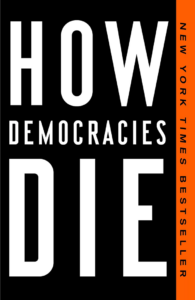
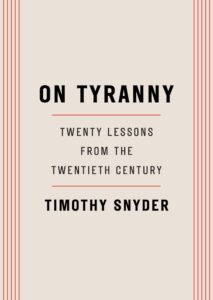
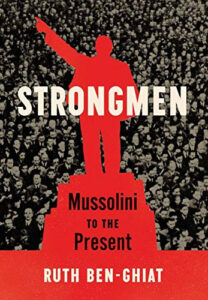
These nonfiction selections offer context for understanding current systems of power, inequality, and resistance. Each book is included for its relevance to the present moment and its ability to deepen collective understanding.
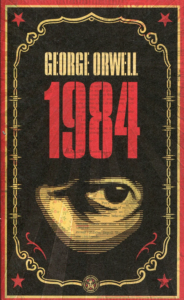
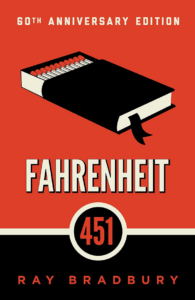
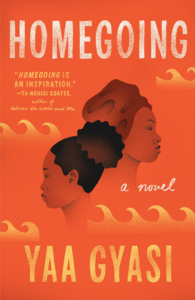
These fiction selections imagine how power and inequality are lived and felt. Fiction builds empathy, expands perspective, and helps us recognize patterns that statistics alone can’t show.